
Honey Selection Science Guide
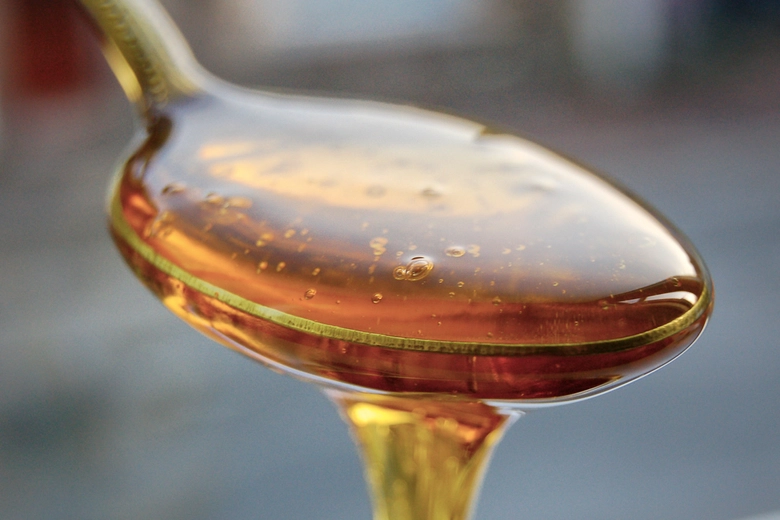
1. Authenticity Verification Methods
| Adulterant | Detection Method | Certification Standard | Scientific Basis |
|---|---|---|---|
| Cane Sugar | C4 Plant Sugar Test | δ¹³C ≤ -23.5‰ | C3 plants (real honey) vs C4 plants (sugar) isotopic discrimination |
| Syrups | SMR (Specific Marker Ratio) | 0.95 ≤ SMR ≤ 1.05 | HPLC analysis of oligosaccharide profiles |
| Excess Water | Refractometer (20°C) | ≤20% moisture | International Honey Commission standard |
Lab Tips:
- Authentic honey shows >1800 mg/kg proline (amino acid marker)
- FT-NIR spectroscopy can detect 5%+ adulteration with 99% accuracy
2. Functional Classification & Usage
| Type | Bioactive Marker | Clinical Application | Dosing |
|---|---|---|---|
| Multifloral | Hydrogen peroxide activity | Daily antioxidant | 10-15g/day |
| Manuka (UMF 10+) | Methylglyoxal (MGO ≥263mg/kg) | Wound dressing | 5g topical |
| Eucalyptus | Pinostrobin (≥8%) | Cough suppression | 5ml in tea |
Key Notes:
- UMF 5+ for mild throat irritation, UMF 15+ for MRSA inhibition
- Dark buckwheat honey has 8x more polyphenols than clover honey
Precautions & Optimal Consumption
At-Risk Populations
| Group | Risk | Safe Practice |
|---|---|---|
| Infants <1yr | Botulism spores | Absolute contraindication |
| Diabetics | Postprandial glucose spike | ≤15g with protein |
| Pollen Allergy | Anaphylaxis risk | Skin test required |
Consumption Protocol
- Temperature Control:
- Enzymes destroyed >60°C (invertase, glucose oxidase)
- Ideal dissolution: 40°C warm water
- Timing:
- Morning: 5ml + lemon water (stimulates bile)
- Post-Workout: 10g + 20g whey protein (2:1 fructose:glucose ratio optimizes glycogen replenishment)


